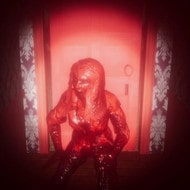
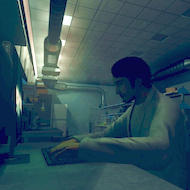
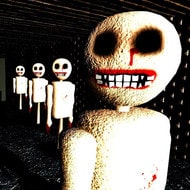
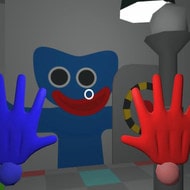
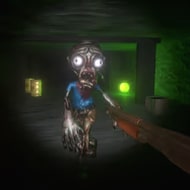
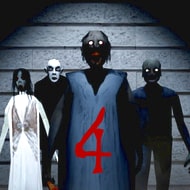
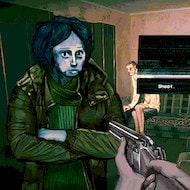
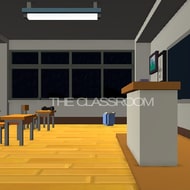
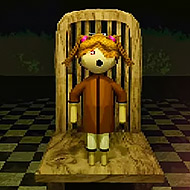
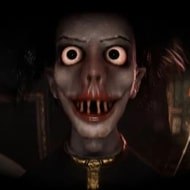
Two Nights At Jumpscare places you in a tense and unpredictable horror environment where survival depends on awareness, timing, and control. Trapped in a dark location filled with hostile entities, you must endure two increasingly difficult nights using limited tools and sharp observation. This game focuses on psychological pressure, where every sound, flicker, or movement may signal danger approaching from the shadows.
Night-Based Survival System
The structure of Two Nights At Jumpscare is built around two distinct phases, each introducing new layers of difficulty. The first night acts as a learning stage, where players familiarize themselves with controls, enemy behavior, and system limitations. By the second night, everything escalates — enemies move faster, patterns become less predictable, and resources feel far more limited.
- Night One: Understand core mechanics and observe how threats behave.
- Night Two: Increased speed and aggression require precise timing.
- Dynamic difficulty: The environment reacts to your actions, raising tension.
Core Gameplay Mechanics
In this game, survival depends on balancing multiple systems at once. Cameras allow you to track movement, doors provide temporary protection, and lighting helps reveal hidden threats. However, every action consumes energy, making resource management essential. Players must constantly decide when to act and when to wait, since overusing any system can lead to total failure.
- Switch between camera feeds to monitor different areas.
- Close doors only when a threat is confirmed nearby.
- Use lights carefully to avoid unnecessary energy drain.
Each mechanic is interconnected, meaning a mistake in one system can compromise the others. This creates a constant sense of pressure where no decision feels entirely safe.
Enemies and Behavior Patterns
Two Nights At Jumpscare introduces multiple enemies, each with unique movement styles and triggers. Some react to light, others to sound, and a few may disappear from view entirely, forcing players to rely on audio cues. Learning these patterns is essential, but the game often shifts behavior to prevent predictable strategies.
- Sound-based threats: Detect movement through footsteps or mechanical noise.
- Visual stalkers: Appear briefly on cameras before vanishing.
- Unpredictable entities: Change routes and timing unexpectedly.
This variety ensures that no single strategy guarantees success, encouraging players to stay alert at all times.
Tips, Tricks, and Player Questions
Many players ask how to consistently survive both nights in Two Nights At Jumpscare. The answer lies in discipline and observation rather than speed. Rushing decisions often leads to wasted energy or missed signals.
- Is it better to watch cameras constantly? No — check them in intervals to conserve power.
- Should doors stay closed? Only briefly, as they consume energy continuously.
- How to handle panic? Focus on sound cues first, then confirm visually.
Another common tip is to develop a rhythm: rotate through systems in a consistent pattern, listen carefully, and avoid reacting to every minor disturbance. The game rewards patience far more than aggressive play.
Two Nights At Jumpscare stands out by compressing intense horror into a short but demanding experience. Each second feels stretched by uncertainty, and every successful night becomes a result of careful planning and mental endurance. For those who enjoy high-pressure gameplay and strategic survival, this game delivers a memorable challenge from start to finish.