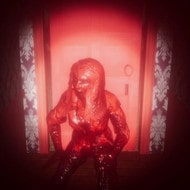
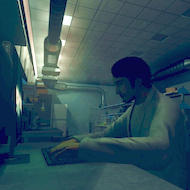
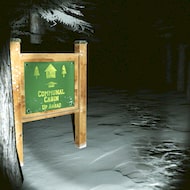
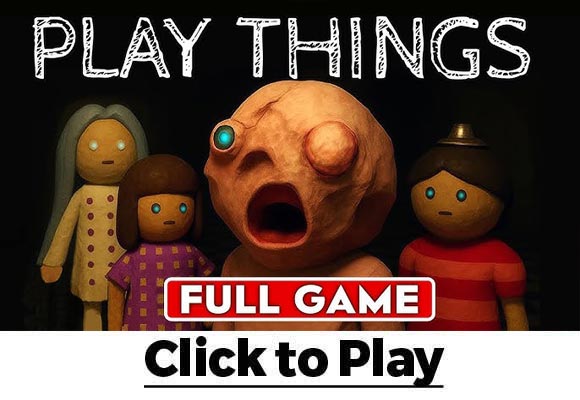
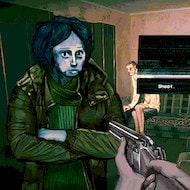
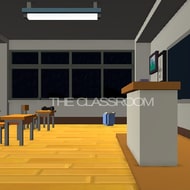
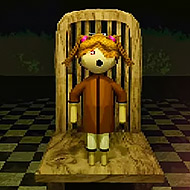
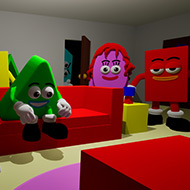
Play Things is a horror experience built on environmental claustrophobia, where mundane items transform into vessels of tension. The initially familiar setting is gradually undermined by meticulously distorted soundscapes, shifting shadows, and the unnerving rearrangement of objects, cultivating a deep-seated unease. Eschewing constant jump-scares, the game applies sustained psychological pressure, rewarding deliberate movement, meticulous observation, and a critical assessment of what is truly safe to touch. Advancement is gated not by reflexes, but by perceptual acuity, cautious restraint, and the correct interpretation of the space’s ambiguous signals.
Environmental Tension, Object Interaction, and Atmosphere
In Play Things, the environment itself is a reactive character. Ordinary items—toys, furniture, household props—hold latent potential to respond when observed or manipulated. These interactions exist on a spectrum: some may grant faint progression, while others incrementally raise the threat level or reconfigure the space in barely perceptible ways. The core loop trains players in vigilant hesitation, as impulsive engagement reliably provokes severe repercussions. Audio is a paramount narrative layer, where distant creaks, muffled movements, and especially abrupt stretches of silence serve as critical advisories rather than overt dangers.
- Selective interaction: Progress often hinges on knowing which objects to leave undisturbed.
- Sound awareness: Audio cues are a primary tool for gauging environmental hostility and safe windows for movement.
- Environmental memory: Success depends on noting subtle alterations in a room’s state following any interaction.
Exploration Structure, Puzzle Logic, and Progress Control
The game unfolds within a tightly interconnected web of compact zones. Progression is controlled through locked pathways and conditional triggers woven into the fabric of the environment. Puzzles are rarely isolated; they are emergent systems requiring the manipulation of objects in a precise, often non-obvious sequence. Many actions yield indirect outcomes, their consequences manifesting later or in an adjacent area, thereby mandating methodical backtracking and comparative observation. Hastily traversing spaces without cataloging their evolving states is a direct path to perilous dead ends.
- Trigger sequencing: Actions must be performed in a logical, measured order; trial-and-error leads to failure.
- Room rechecking: Returning to previously visited areas is essential to detect incremental, meaningful changes.
- Indirect outcomes: Players must learn to associate cause and effect across both time and space.
Common Questions, Survival Habits, and Player Mistakes
Players frequently seek strategies to avert sudden failures. The most effective tactic is the disciplined minimization of both movement and contact with objects. Another common inquiry involves identifying false security—recognizing that some zones offer deceptive calm that shatters after specific, irreversible actions, making patient restraint the ultimate resource. Typical errors include rapidly interacting with multiple objects in succession or dismissing subtle audio shifts that precede danger. Deliberately slowing the pace of play is the single greatest factor in improving survival odds.
- Movement restraint: Move with purpose, and halt frequently to absorb environmental feedback.
- Audio priority: Interpret sudden drops into silence as a high-priority alert of imminent risk.
- Action spacing: Allow the environment to settle between interactions to avoid cascading, uncontrollable events.
Play Things constructs its horror through masterful control of tension, cultivated uncertainty, and consequential decision-making. Players who demonstrate respect for the environment’s hidden logic, maintain obsessive attention to detail, and exercise stringent action discipline will navigate its secrets safely, maintaining a fragile agency within a setting steadily unraveling around them.