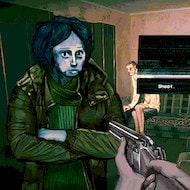
Murder places the player in a tense court setting where characters pursue power through stealth and timing. The central idea is simple: eliminate the ruler without being noticed, then hold the throne while others attempt the same plot against you. The experience revolves around observation, quick reactions, and deciding when to act. Every attempt becomes a small story about strategy, suspicion, and sudden reversals as roles change between attacker and target.
Silent actions and role reversal
The basic structure of Murder involves moving close to the ruler and preparing a covert strike. Success requires waiting for guards and other characters to look away. If the attacker succeeds, control shifts: the former assassin becomes the new ruler, and the rest of the court starts plotting. This constant reversal keeps tension high because victory only leads to new danger. One mistake results in discovery and imprisonment, ending the round instantly.
- Stealth preparation requires careful timing
- Suspicion meters rise if movement looks unnatural
- Throne phases introduce defensive play
- Quick reactions decide success or failure
Strategies and throne defense
Many players ask how to remain ruler for longer periods in Murder. Survival depends on noticing subtle signals from approaching characters. Eye direction, posture, and movement pattern reveal intent. Defending the throne means reacting at the exact moment an assassin prepares to strike. Conserving attention instead of responding too early helps prevent false alarms. Small delays lead to better judgment in later phases when attackers become more aggressive.
- Watch animation cues of nearby characters
- Avoid suspicious movements during assassination attempts
- React late rather than early during defense
- Learn pacing of alert cycles
Frequently asked questions
Players often wonder whether there are guaranteed methods for assassination. Murder relies on timing rather than hidden codes. Another common question involves whether defense is harder than attack. Both roles require focus, but defense demands faster recognition of intent. Many sessions become a balance of patience and decisiveness as players adapt to rising difficulty when the court grows more alert.
Murder creates compact sessions built around strategy and psychological reading of movement. Each attempt tells a brief story of ambition and consequence. The changing balance between attacker and ruler encourages multiple replays to refine timing, understand behavior patterns, and see how long power can realistically be maintained.